CarryOn
Designing a Circular Carrier System for Urban Shoppers
Role
Service Designer
Timeline
12 Weeks, 2025/2026
Skills
Service DesignProject ManagementInteraction DesignFigma
Context
What is CarryOn?
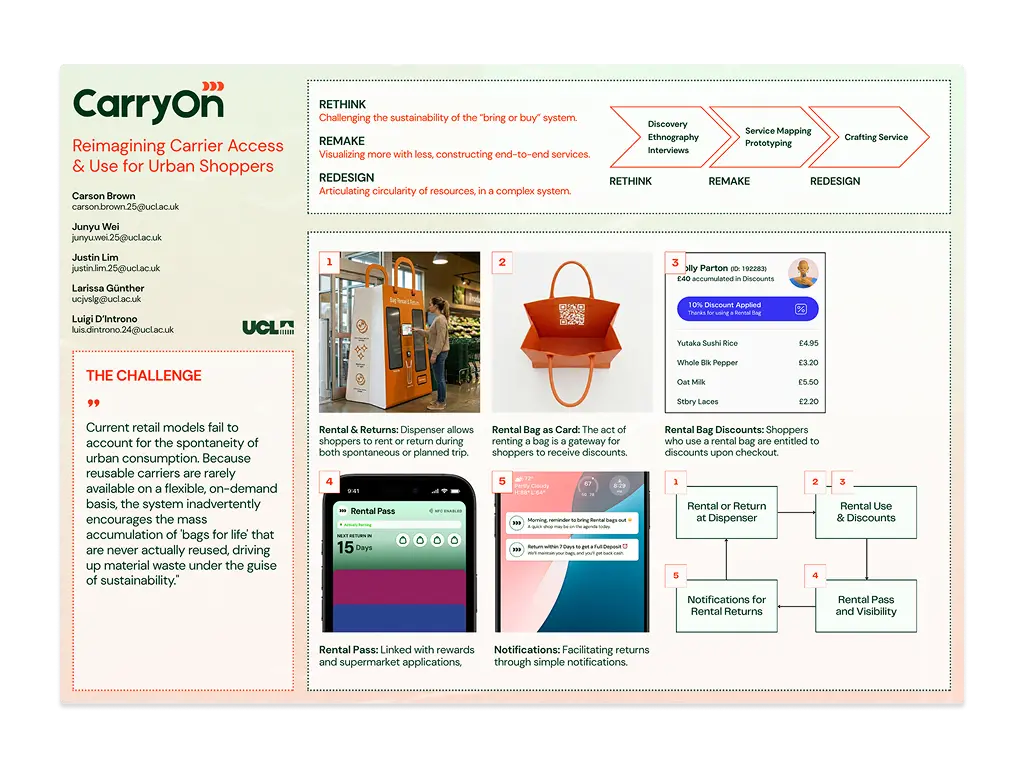
CarryOn is a service design concept that tackles the gap in sustainability. Through in-store intervention, digital reminders and bag-as-card, the system aims to close the loop between
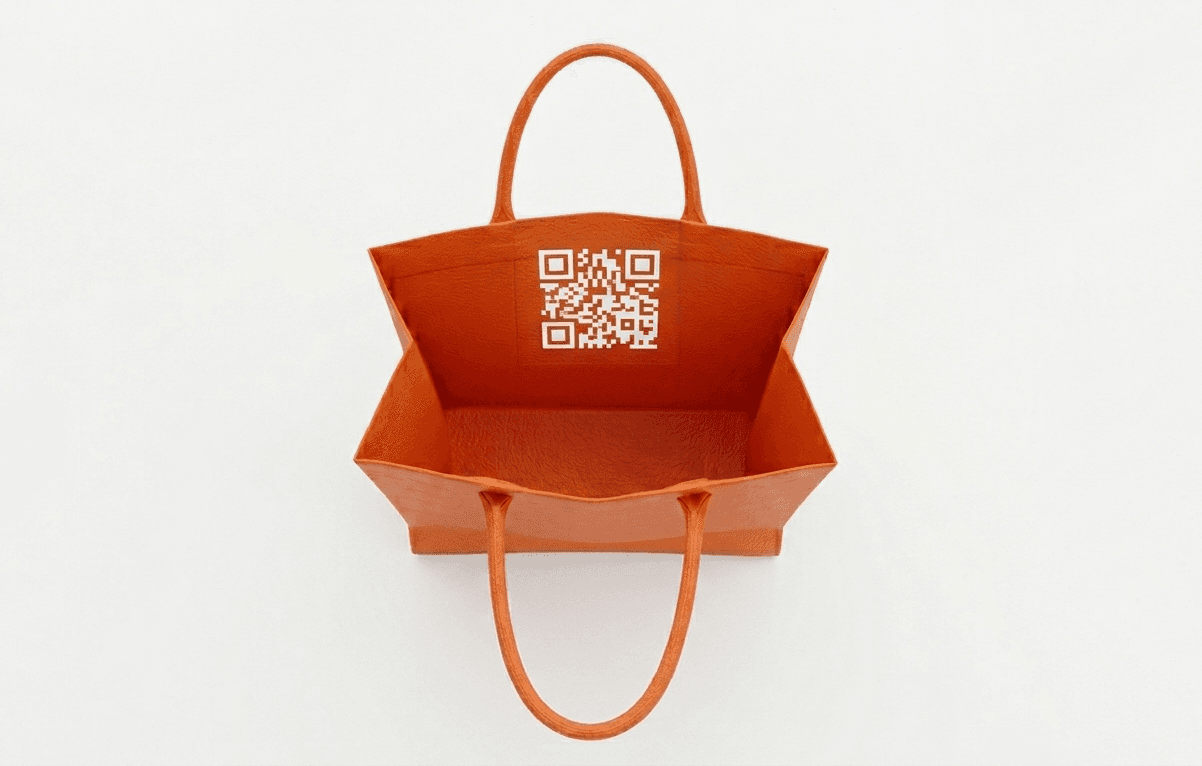
2. Bag-as-Card
Rented bags serve as cards, where users bring them for discounts through store's loyalty program.
Context
Problem Space
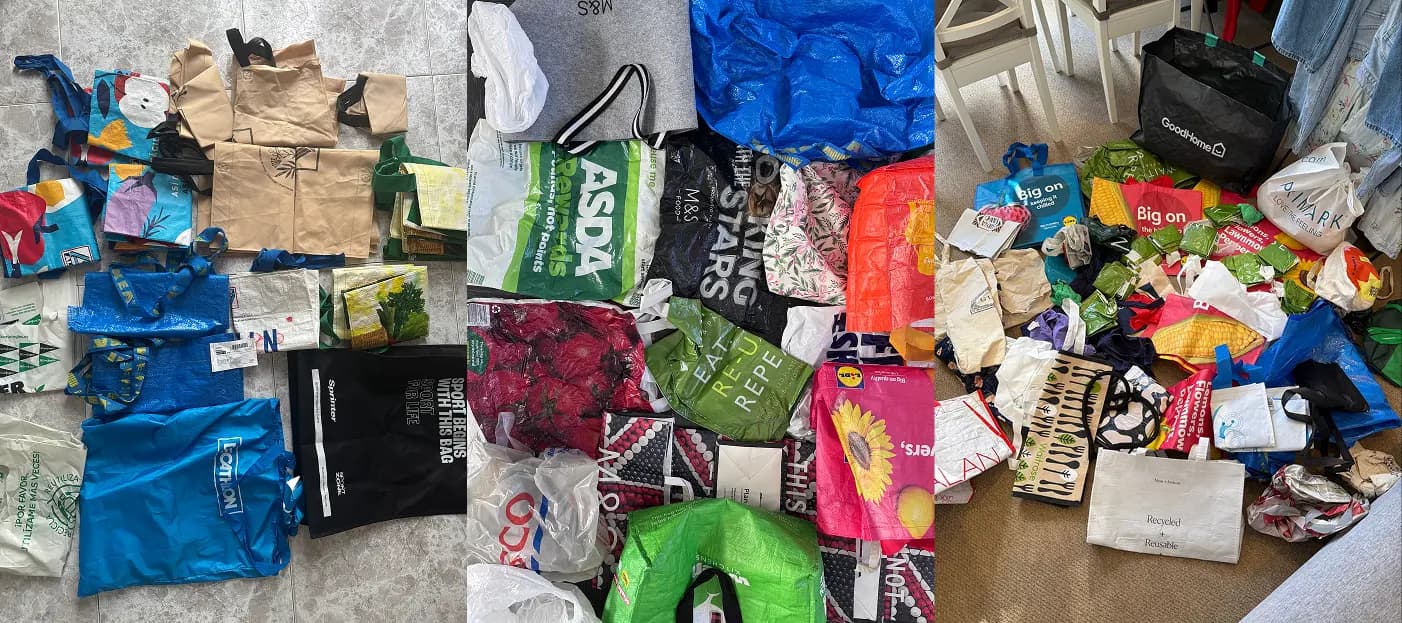
Sold as reusable, many bags4life (B4Ls) end up accumulated in the home, due to the lack of contextual reminders or systems to support consistent re-use. Across 24 participants, we found that households have an average of 54 bags.
Process
Research
Our exploration started from an ethnographic study on carrier ownership, followed by semi-structured interviews to elicit barriers. We lastly constructed a simulated system to test the experience of completing and returning a carrier under our system.
Ethnographic Study
Semi-Structured Interviews
Prototyping
Process
Identifying the System Gap
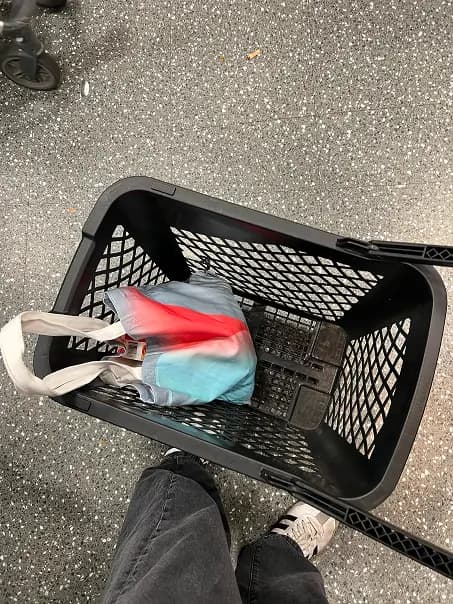
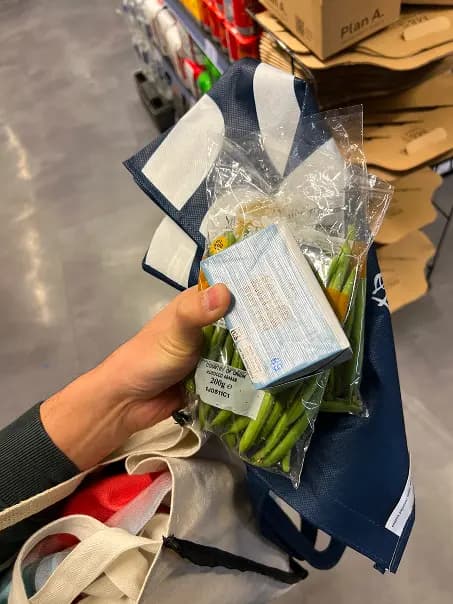
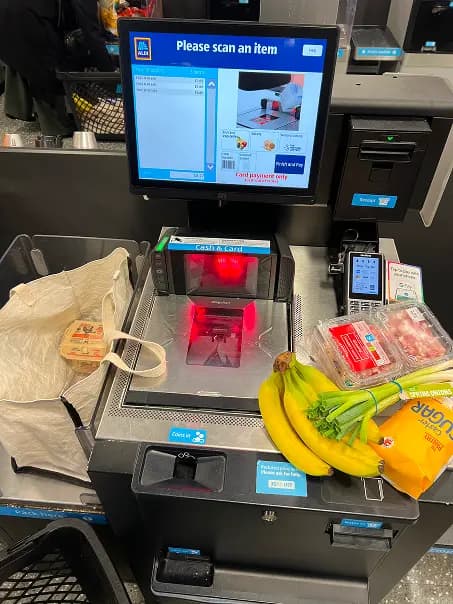
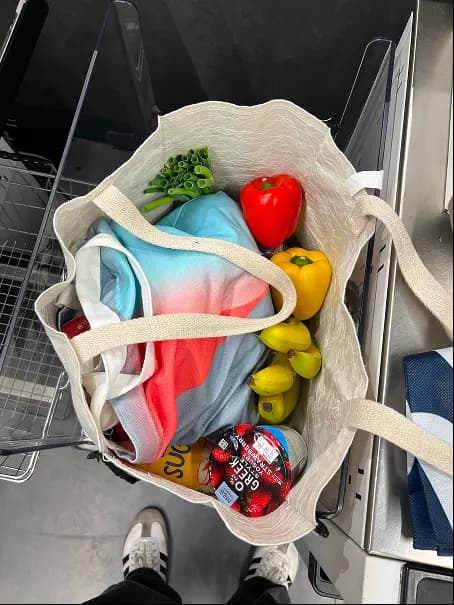
Through field research, we spoke to customers at Tesco, ALDI, LIDL to gather their experience on bag usage. From the pickup of reusable bags in store to end of shopping, shoppers mentioned that they were usually using a new reusable bag at the moment.
Process
Pain Points
Across 12 urban shoppers, our interviews surfaced the following issues:
Guilt without Action
Users are aware that buying B4Ls per use is wasteful. They feel guilt but continue due to convenience.
Cumulative Financial Cost
Users pay for numerous bags they never reuse, unintended costs accumulate over time.
Accumulated Carriers
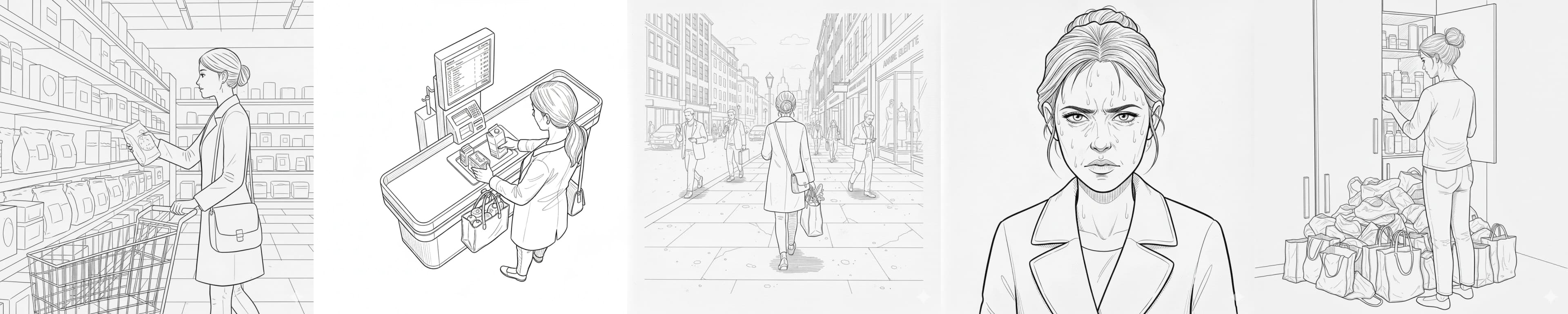
Spontaneous trips contribute to bag hoarding at home. Users face logistical burdens from constant repurchasing.
process
Ideation
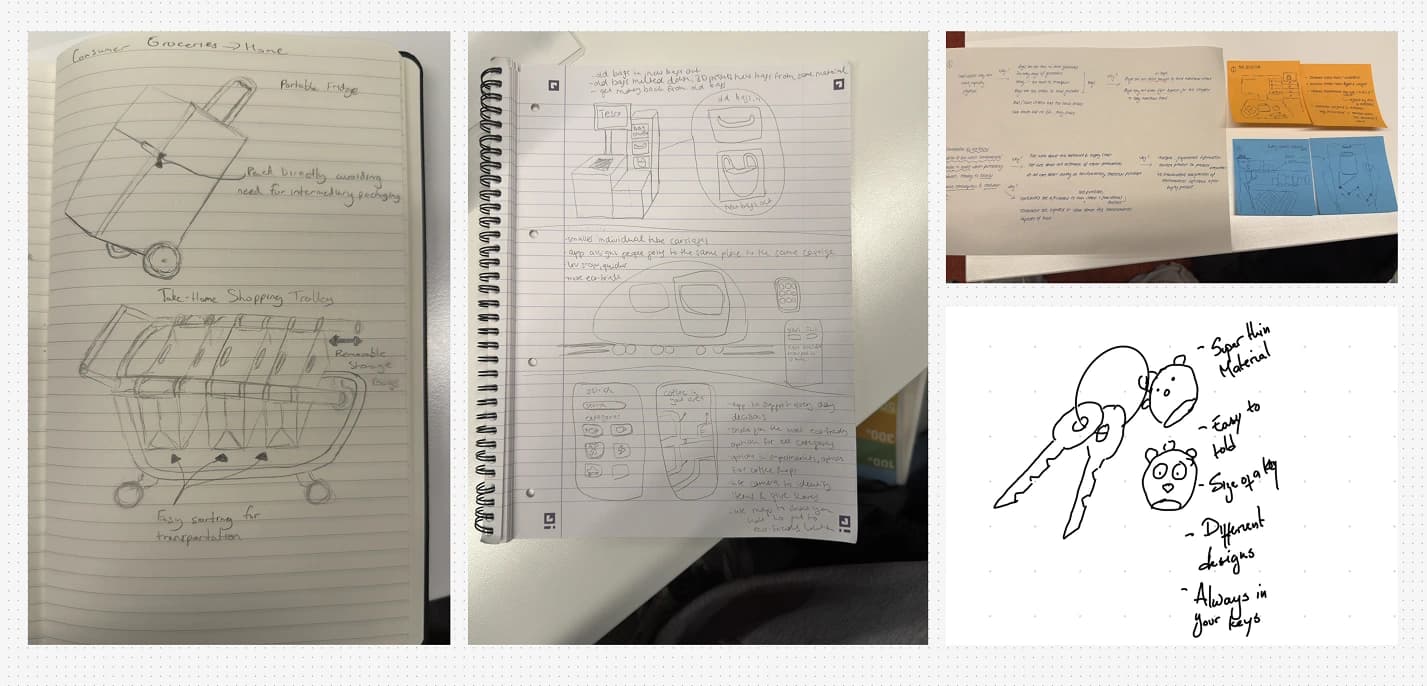
We engaged in multiple methodologies to conceptualize current problems, and reimagine a potential system. This involved leveraging on AIGC tools, usability methods and prototyping.
Process
Prototyping
We prioritized 'low-cost, fast-fail' iterations. Instead of building solutions immediately, we used cardboard prototypes and Figma. Manual triggers were used for simulation behind the curtain (Wizard of Oz) to simulate the real system.
Process
Insights
From two rounds of immersive physical and digital prototyping, we translated the following ideas to our eventual solution:
Prototyping connected system of mobile alerts and checkout UI helped to validate concept of bag as a loyalty card and rental.
More signposting is required on the overall circular flow in the POV of user at dispensers.
Impact
Key Outcomes
Our work validated the proof of concept for Digital Wallet, Alert System and Bag-as-Card, supporting the circular flow of reusable bags in supermarkets. Here are our key performance metrics for the project:
95% task completion rate across circular flow
<5% error rate for core interaction loop
15s faster than purchasing new bag at checkout
Impact
Moving Forward
Selected from 48 submissions, CarryOn will be part of 12 projects presented at the ACM Designing Interactive Systems (DIS) Conference in Singapore.
Shortlisted for ACM DIS 2026 Conference