Speedback
Role
First Product Designer
Timeline
2024 / 2025
Skills
Product DesignUser ResearchPrototypingDesign Systems
Context
Why this project exists
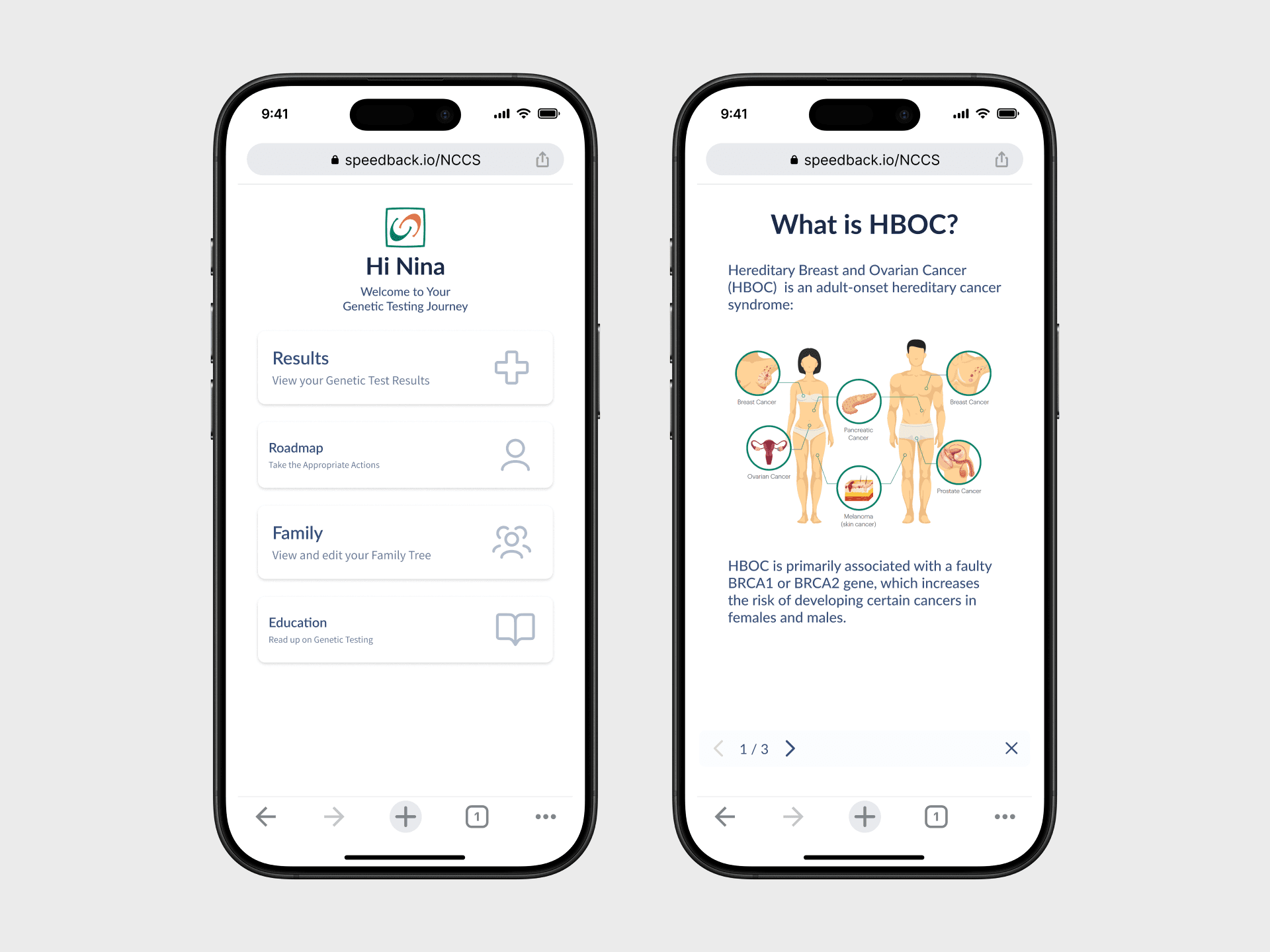
This project started as an exploration into how asynchronous care models could extend access to healthcare in rural communities. The hypothesis was simple: if we remove the dependency on real-time availability, we lower the barrier to entry for both patients and providers.
What we learned from users
Interviews with 24 patients across three rural catchment areas revealed a consistent pattern: the friction wasn't clinical — it was logistical. Travel time, scheduling windows, and the fear of wasting a specialist's time were all cited more often than cost as primary barriers to seeking care.
From the synthesis emerged a single reframe: stop designing for the consultation, start designing for the gap before it.
Metrics
What we were measuring
We tracked time-to-consultation, patient drop-off rates across the booking funnel, and clinician response latency. The baseline across three pilot regions averaged 11 days from symptom onset to first consultation.
40% reduction in time-to-consultation
The final service design reduced average time-to-consultation by 40% in pilot regions, with the sharpest gains in areas with the lowest baseline access.
Completion rates jumped from 54% to 89% after adding a triage layer following lo-fi service walkthroughs with six practitioners.
Process
How we got here
We ran three rounds of generative research with rural residents and tele-health practitioners, synthesising findings into a service blueprint. From there, prototypes were tested in two regional clinics over a four-week period, iterating on scheduling flows and consent language.
The handoff problem
A lo-fi service walkthrough exposed a critical gap: when a patient submitted a recorded symptom video, there was no clear signal to the clinician about urgency. We added a triage layer and retested.
Reflection
What we shipped
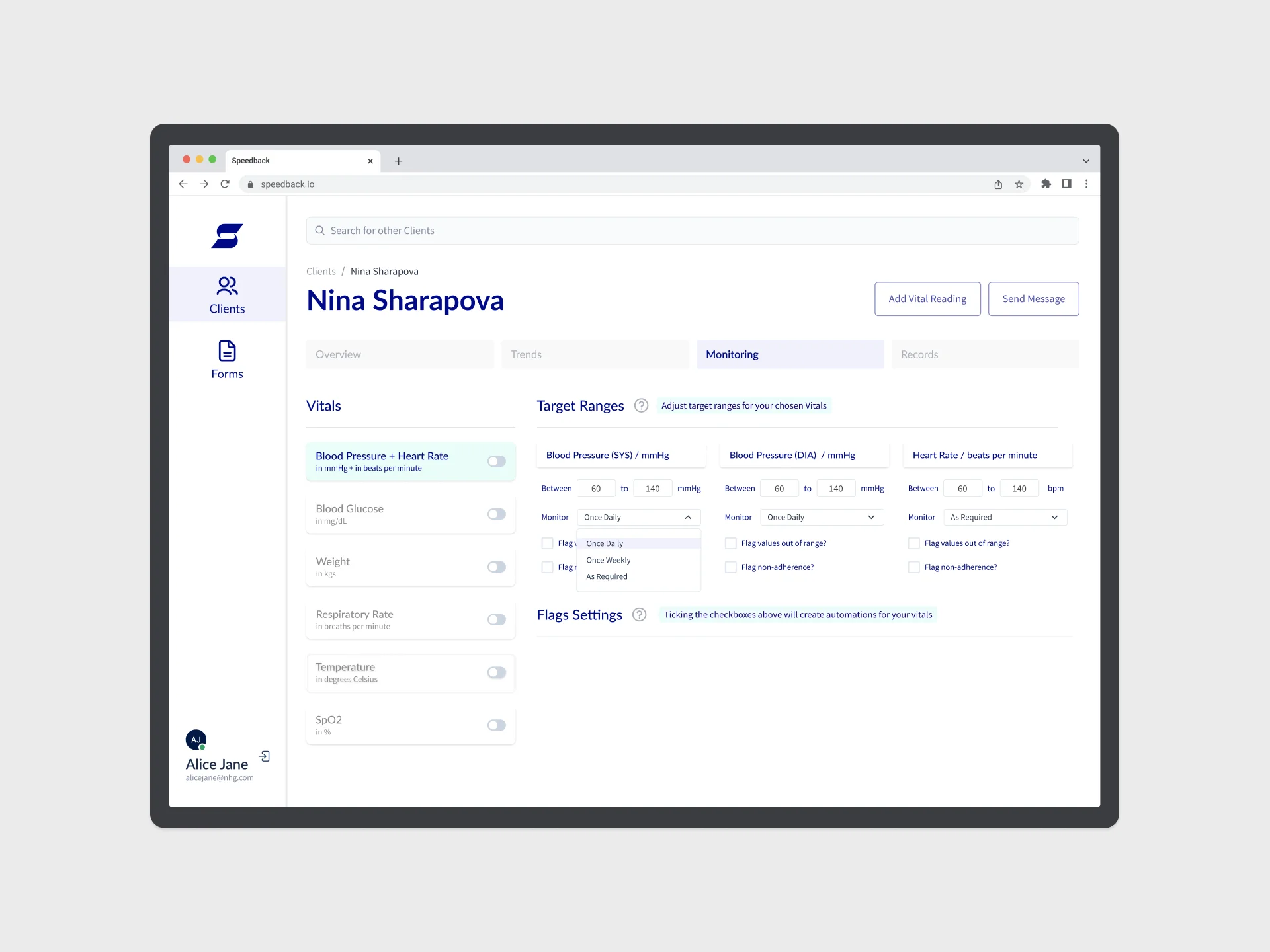
The final deliverable was a full service blueprint, interaction model, and component library handed off to the engineering team for a phased rollout across three additional regions.
What I'd do differently
The triage layer was added late — it should have been a first-order design constraint from week one. Earlier clinician involvement would have surfaced the urgency signalling problem before lo-fi testing.